Criteria for Choosing the Best Outdoor Padlocks
Comprehensive guide on selecting weather-resistant outdoor padlocks. Learn about corrosion resistance, shackle materials, and master key setups.
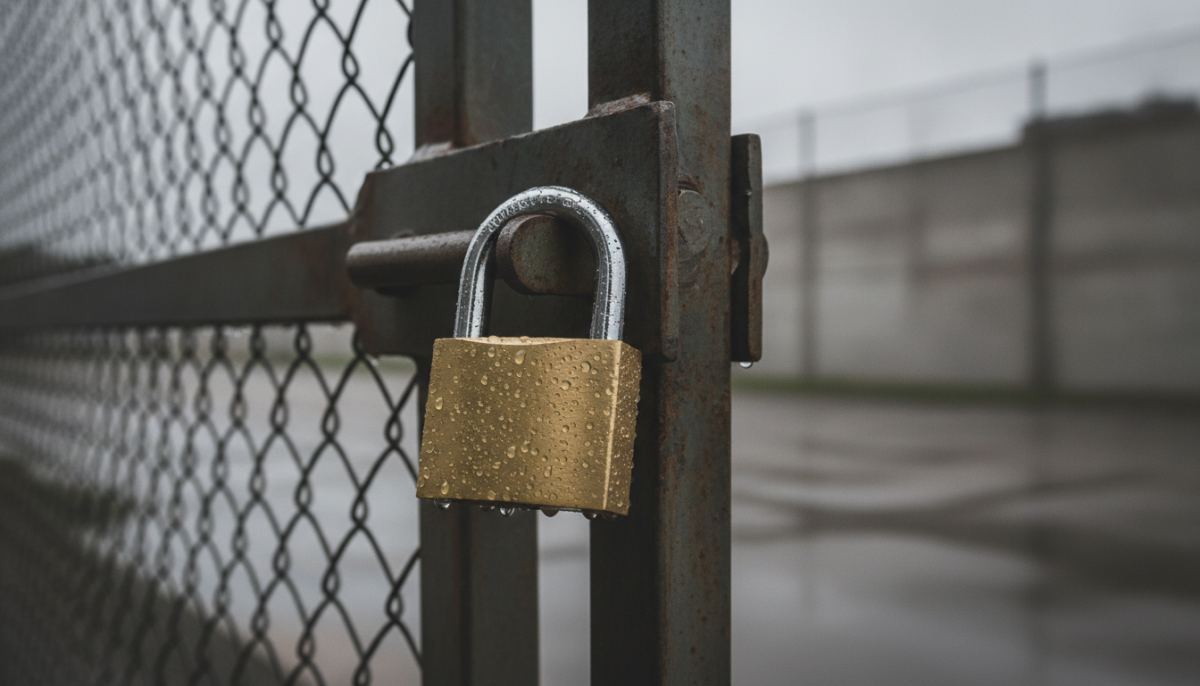
Locking mechanisms deployed in open-air environments are continuously exposed to severe environmental conditions such as torrential rain, snow, freezing frost, intense ultraviolet radiation, extreme temperature fluctuations, and airborne dust or salt. Consequently, choosing the right outdoor padlock is not merely about physical resistance against brute-force attacks; it is equally about preventing corrosion, internal pin oxidation, and mechanical seizure over time. From securing commercial perimeter gates, utility enclosures, and construction facilities to locking transport containers and warehouse bays, investing in specialized keyed alike padlocks or high-grade individual units designed specifically for exterior demands is critical for uninterrupted site security.
A standard interior padlock might provide formidable security when used on an indoor storage locker, yet that same lock can degrade rapidly when exposed to outdoor atmospheric moisture, seizing up within months due to internal rust or accumulated road grime. For facility managers, small-to-medium enterprise (SME) owners, and property operators, an unexpected lock failure translates directly to operational downtime, emergency maintenance costs, and compromised perimeter defenses. This guide provides an in-depth analysis of the technical criteria, metallurgical standards, and architectural designs necessary to select padlocks capable of surviving the most demanding outdoor environments.
Body and Material Architecture for Harsh Outdoor Conditions
The foundational determinant of any padlock's durability outdoors is the metallurgical composition of its body and internal moving parts. Industrial environments, coastal areas with high saline concentrations, and regions prone to acid rain or heavy industrial exhaust accelerate oxidation in untreated metals and standard low-grade carbon steels. To mitigate this degradation, manufacturers utilize specific corrosion-resistant alloys, primarily solid brass, marine-grade stainless steel, and specially treated zinc-aluminum composites.
Solid brass remains an industry-standard choice because brass naturally resists atmospheric moisture and galvanic corrosion without requiring delicate surface coatings that could chip or peel. In industrial-grade manufacturing, advanced metal forming processes such as cold forging press stamping are utilized to produce seamless, highly compacted lock bodies. Cold forging significantly increases the structural density of the metal, eliminating microscopic surface porosity that would otherwise trap moisture, while simultaneously elevating the padlock's resistance against physical impacts, drilling, and mechanical torsion.
For applications where padlocks are subjected to constant chemical exposure or heavy maritime weather, solid stainless steel lock bodies offer unmatched defense against pitting corrosion. In addition to base alloy engineering, high-performance outdoor locks frequently feature external protective jackets made of heavy-duty thermoplastics or weather-resistant elastomeric polymers. These protective boots seal the exterior seams, shield vulnerable metal corners, and prevent the lock body from scratching painted metal gates or vehicle surfaces during wind-driven movement.
Shackle Strength: Resisting Cutting, Cropping, and Pulling Attacks
The shackle represents the most prominent attack vector on any padlock. Intruders frequently utilize bolt cutters, hydraulic croppers, hacksaws, or leverage pry bars in an attempt to breach the shackle. Therefore, outdoor lock shackles must balance metallurgical hardness—to defeat cutting tools—with core toughness, to prevent brittle fracturing when subjected to sudden impact or cryogenic freezing attacks.
Hardened steel shackles, often augmented with boron or molybdenum alloys, represent the gold standard for high-security outdoor applications. Boron-carbide or boron-alloyed steel delivers substantial surface hardness, rendering manual hand-tool cutting attempts largely ineffective. Furthermore, the internal latching geometry inside the lock body is equally decisive. Premium security padlocks implement dual ball-bearing locking mechanisms, in which independent stainless steel ball bearings lock both ends of the shackle into the body. This design requires an attacker to cut both sides of the shackle to release the lock, effectively neutralizing twisting and single-cut attacks.
Where physical security must be elevated even further, closed-shackle (or shrouded-shackle) configurations are strongly recommended. In a shrouded padlock, the protective body extends upward around the sides of the shackle, exposing only the minimum clearance necessary to pass through a hasp or staple. By eliminating the clearance required to insert hydraulic jaw heads or bolt cutter blades, shrouded designs drastically reduce physical vulnerability in unmonitored outdoor areas.
Moisture, Dust, and Corrosion Resistance: Protecting the Cylinder and Internal Mechanism
Physical attacks account for only a portion of padlock failures in the field; environmental degradation is far more frequently the cause of operational breakdown. When rainwater penetrates an unprotected keyway, it washes away internal lubricants, oxidizes the brass or steel pin tumblers, and causes tiny compression springs to lose their tensile strength. In freezing climates, water trapped inside the pin chambers expands as it freezes, exerting internal pressure that can rupture springs or jam cylinder tolerances entirely.
To withstand long-term environmental exposure, professional outdoor padlocks incorporate specific weatherproofing elements:
- Sealed Keyway Covers: Spring-loaded weather caps or sliding shutter disks that seal the key slot when not in use, preventing direct ingress of driving rain, dust, and abrasive grit.
- Integrated Drainage Weep Holes: Strategically engineered drainage channels at the base of the lock body that allow incidental condensation or trapped water to drain away before it pools inside the cylinder chamber.
- Corrosion-Proof Internal Components: Precision tumblers and springs manufactured from phosphor bronze, stainless steel, or nickel-silver alloys rather than basic carbon steel, ensuring continuous operational fluidity under humid conditions.
- Internal O-Ring Seals: Rubber or silicone gaskets seated at the shackle entry points that seal the internal cavity from water penetration when the shackle is fully locked.
When coordinating access across extensive industrial facilities, such as implementing authorized key systems in factories and warehouses, specifying high-durability internal cylinders across all exterior access gates ensures long-term operational continuity without frequent cylinder replacements.
Master Key Integration for Facilities and Commercial Sites
Commercial sites, utilities, agricultural compounds, and telecommunication facilities typically manage dozens, if not hundreds, of exterior gates, perimeter fences, equipment trailers, and electrical substations. Utilizing separate, non-standardized keys for every individual padlock creates massive logistical confusion, slows down emergency response times, and increases key-handling errors among field technicians.
Deploying master key systems across outdoor padlock installations resolves these logistical challenges by creating an organized access hierarchy. Under a master-keyed architecture, each padlock operates via its own dedicated operational key given to designated field staff, while facility managers, security supervisors, or emergency personnel possess a master key capable of opening every lock across the entire estate.
When structuring an enterprise-wide access plan, businesses should carefully evaluate their operational hierarchy by referencing the principles outlined in our guide on determining security levels in master key systems. This structured planning allows companies to integrate heavy-duty outdoor padlocks, indoor door cylinders, and switchboard cabinet locks into a single, cohesive, and easily manageable master key system matrix.
Practical Selection Checklist for Outdoor Padlocks
Before purchasing or specifying padlocks for exterior installations, verify your selection against the following checklist to ensure optimal longevity and defense:
- Environmental Profile Assessment: Determine whether the deployment involves coastal salt air, heavy agricultural dirt, sub-zero winter temperatures, or chemical washdown procedures.
- Core Body Metallurgy: Opt for solid forged brass or marine-grade stainless steel; avoid porous pot metals, unplated standard irons, or thin stamped metal shells.
- Shackle Specification: Select boron-alloyed or case-hardened steel with double-ball locking; consider shrouded shackle geometry for unmonitored exterior gates.
- Keyway Weatherproofing: Ensure the unit features an active keyway shutter or cap alongside functional body drainage weep holes.
- System Architecture: Determine if your site requires individual keying, keyed-alike groups, or hierarchical master-key integration across different functional zones.
Frequently Asked Questions
What is the difference between a water-resistant padlock and a truly rustproof padlock?
A water-resistant (weather-resistant) padlock typically relies on a standard metal body enclosed in a plastic, vinyl, or rubberized casing with basic seals to keep surface moisture out. While suitable for moderate residential use, if water penetrates the outer jacket, the internal carbon-steel parts may corrode. A truly rustproof (marine-grade) padlock features corrosion-resistant alloys throughout its entire construction—including the body, shackle, tumblers, and internal springs (such as solid brass and stainless steel)—ensuring complete resistance to rust even without a plastic cover.
How should outdoor padlocks be maintained and lubricated?
Never use thick mineral oils, automotive motor oil, or heavy grease in padlock keyways, as these sticky substances attract airborne dust, sand, and particulate matter, eventually gumming up the pin chambers. Instead, use a specialized lock lubricant, dry PTFE spray, or microfine graphite powder. Periodic maintenance should include flushing out the drainage weep holes and ensuring the keyway protective cap remains supple and free of debris.
How do you safely open a frozen padlock in sub-zero winter weather?
Attempting to force an icy padlock open by striking it with a hammer or applying extreme torque to the key can snap internal springs, bend tumblers, or break the key inside the plug. The safest approach is to use a dedicated lock de-icer spray containing alcohol, or gently warm the key with a lighter before inserting it into the cylinder so heat transfers directly to the frozen pins. Choosing padlocks equipped with bottom drainage holes helps prevent water buildup that causes freezing in the first place.
Can outdoor padlocks be keyed to match standard architectural door cylinders?
Yes. Commercial-grade outdoor padlocks often accommodate interchangeable brass cylinders compatible with standard architectural key profiles. This compatibility allows facility owners to include both perimeter padlocks and interior building doors within the same keyed-alike or master key system hierarchy for maximum operational efficiency.
Ensuring Long-Term Outdoor Perimeter Security
The overall strength of any perimeter defense strategy is defined by its ability to perform reliably during the harshest weather events without succumbing to physical attacks or environmental wear. By selecting padlocks manufactured with dense, forged, corrosion-resistant metals, hardened boron shackles, sealed cylinder chambers, and intelligent key hierarchies, organizations ensure durable protection for their physical assets year after year. To explore tailored locking solutions, commercial padlocks, or customized access matrices for your enterprise, reach out directly through our contact page to consult with our specialized technical security team.
İlginizi Çekebilir