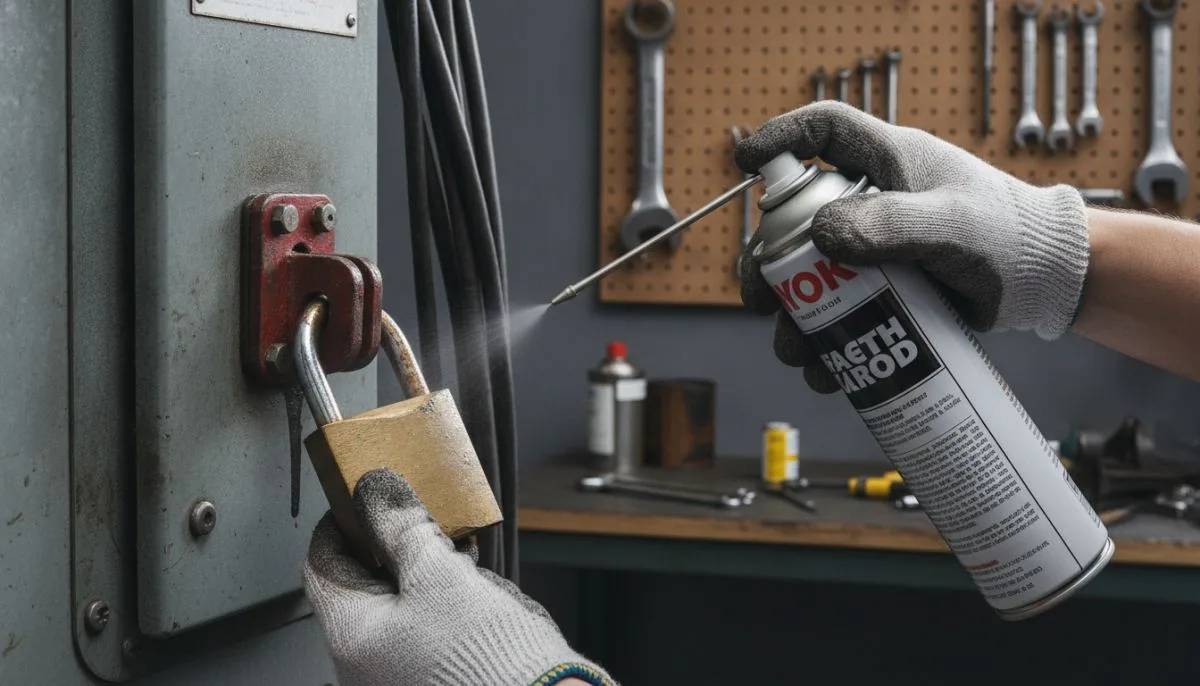
Industrial Padlock Maintenance & Lubrication Steps
Master industrial padlock maintenance and lubrication steps. Learn professional cleaning techniques, lubricant selection, and corrosion prevention methods.
In heavy industrial environments, processing plants, and expansive distribution hubs, mechanical security hardware serves as the quiet foundation of uninterrupted operations. Among these essential mechanisms, industrial padlocks shoulder vital duties ranging from lockout/tagout (LOTO) energy isolation protocols to physical site perimeter control, raw material warehouse protection, and hazardous machinery containment. However, the punishing ambient conditions typical of production floors—airborne metal shavings, particulate dust, persistent humidity, aggressive chemical fumes, and severe temperature fluctuations—inevitably degrade internal lock mechanisms. Over time, unmaintained locks begin to stick, corrode, or freeze entirely. Implementing a disciplined, periodic schedule for padlock maintenance and lubrication prevents abrupt hardware failures and stops critical security gaps before they compromise plant workflow.
Most premature padlock failures, broken keys, and seized cylinders encountered across industrial operations originate not from manufacturing flaws, but from improper cleaning or neglected maintenance. Precision-engineered lock components—including internal pins, driver springs, ball bearings, and shackle detents—operate under microscopic dimensional clearances. When contaminated with grime, grease, and airborne debris, these tightly calibrated parts lose their smooth interaction. For maintenance engineers and plant managers, adopting a systematic approach to cleaning, selecting the correct chemical lubricants, and adhering to scheduled inspections is the primary method to preserve hardware life. Even after conducting an informed outdoor padlock selection, mechanical hardware simply cannot endure hostile industrial atmospheres indefinitely without routine servicing.
Environmental Hazards Impacting Padlocks in Industrial Facilities
Industrial workshop and plant settings impose operational stresses far beyond those found in commercial buildings or office properties. Fine metal grindings from milling lines, cement powder, drywall dust, and airborne acidic or alkaline vapors from chemical washing systems easily bypass standard external seals. Although high-grade padlocks often feature rugged bodies made of solid brass or reinforced stainless steel to withstand exterior mechanical impact, their keyways and shackle holes remain vulnerable entry points for external pollutants.
Once microscopic dust particles enter the lock body, they settle directly into the pin chambers, restricting the axial travel of delicate pin springs. When this particulate buildup interacts with ambient humidity or moisture, it coalesces into a dense, abrasive sludge. This viscous paste prevents the key from fully seating against the bottom pins, causing cylinder binding and making it virtually impossible to turn the plug. In coastal shipping yards, outdoor chemical storage areas, and bulk logistical staging platforms, rain, snow, and airborne salts exacerbate galvanic corrosion between dissimilar internal metals. Mitigating these combined threats requires maintenance protocols tailored directly to the specific chemical and physical profile of each facility zone.
In large manufacturing plants, facility security frequently relies on layered access hierarchies. When operations incorporate structured systems like an authorized key system in factories and warehouses, a mechanical seizure in just one critical padlock can stall equipment shift handovers or delay emergency response. Identifying environmental risks early is therefore the cornerstone of an effective hardware management program.
Selecting the Right Lock Lubricant: What Works and What Fails
The single most destructive practice in industrial lock maintenance is grabbing an arbitrary shop lubricant from the nearest shelf and spraying it into the keyway. Standard automotive greases, heavy motor oils, household petroleum sprays, and tacky mineral oils should never enter a precision pin-tumbler cylinder. High-viscosity wet lubricants act as physical dust traps, catching airborne particulates like a magnet. While an oily spray might provide immediate friction relief for a few days, it quickly degenerates into a sticky paste that permanently jams pins inside their chambers, rendering the cylinder unusable.
Similarly, standard multipurpose penetrating oils or moisture-dispersing solvent sprays are not designed for long-term lubrication. While these volatile mixtures work exceptionally well to dissolve superficial rust and loosen seized components during initial disassembly, their carrier solvents evaporate rapidly. The minuscule protective film left behind is too thin to withstand continuous mechanical friction and offers zero long-term barrier protection against rising moisture. Penetrating sprays must therefore be viewed solely as cleaning agents, followed immediately by dedicated, dry-film lubricants.
Industrial maintenance best practices universally favor specialized dry lubricants and non-tacky synthetic formulations that preserve smooth pin movement without gathering dust:
- Dry Graphite Lubricants: Available in fine micro-powder forms or quick-drying solvent carrier sprays. Graphite creates a microscopic, low-friction carbon film over sliding brass and steel parts. It leaves zero wet residue, does not attract airborne dust, and handles high operational pressures well, making it the preferred choice for high-dust woodworking, mining, and cement packaging operations.
- PTFE (Teflon) Dry-Film Sprays: Clear, quick-drying aerosol lubricants that leave a clean, frictionless polymer coating. PTFE formulations provide strong hydrophobic characteristics, repelling water, moisture droplets, and road salt while minimizing mechanical wear in outdoor, washdown, and marine-adjacent facilities.
- Lightweight Synthetic Lock Oils: Formulated specifically for micro-mechanical mechanisms, these ultra-low-viscosity fluids remain fluid at sub-zero temperatures without gumming up or solidifying. They are primarily selected for cold-storage warehouses, blast freezers, and severe winter climates where dry powders might struggle with ice bonding.
Step-by-Step Industrial Padlock Servicing and Lubrication Procedure
To maximize hardware longevity and prevent accidental component damage, maintenance technicians should follow a standardized operating procedure. Random, rushed servicing can force grit deeper into the internal core rather than clearing it. The following sequence outlines a comprehensive maintenance routine aligned with industrial standards.
1. High-Pressure Air Evacuation
Before applying any solvent or lubricant, all loose particles residing within the lock body must be expelled. Insert a narrow pneumatic nozzle directly into the keyway and pulse clean, dry, oil-free compressed air through the cylinder. Direct additional air bursts into both shackle openings. This critical first step dislodges dry sand, sawdust, metal chips, and particulate debris trapped around the upper driver springs. Proper safety glasses and eye protection should always be worn during this step.
2. Chemical De-Greasing and Core Flushing
If the padlock exhibits sticky operation, aged grease contamination, or early signs of internal oxidation, apply a fast-drying electronic contact cleaner or specialized lock flushing agent. Insert the precision straw fully into the cylinder keyway and depress the actuator until cleaner flows freely from the drainage hole located at the base of the lock body. The discoloration of the discharged liquid provides a clear indicator of how heavily contaminated the internal chamber has become.
3. Mechanical Exercise and Flushing Repeat
While the flushing agent is still wet inside the plug, insert the original key into the keyway and gently slide it in and out several times before cycling the rotation back and forth. This mechanical movement engages each pin stack, allowing the solvent to scrub away surface scale from pin tips and chamber walls. Open the shackle completely to allow the internal locking balls or locking cams to cycle. Follow up with another short burst of compressed air to flush out loosened debris and evaporate remaining cleaning solvents entirely.
4. Measured Application of Dry Lubricant
Once the lock core is completely dry, apply the chosen PTFE dry spray or dry graphite powder in controlled amounts. When utilizing aerosol sprays, a brief, one-second burst into the keyway and a half-second shot into each shackle port is sufficient; excessive lubrication yields diminishing returns. Reinsert the key immediately, operating the cylinder five to ten times to distribute the dry lubricant evenly across pin chambers, spring housings, and shackle ball bearings. Wipe off any excess surface powder or liquid run-off from the lock face and key blade using a lint-free cloth.
When maintaining facility-wide systems configured around single key padlock solutions in multi-warehouse management, always check key wear alongside cylinder tolerances. Worn operating keys should be replaced promptly to protect freshly serviced cylinders from uneven mechanical wear.
Common Padlock Maintenance Mistakes to Avoid
Field inspections reveal that a significant share of industrial lock breakdowns stem directly from poor handling habits and improper maintenance shortcuts. One recurring mistake is attempting to force a stiff or jammed padlock open using pliers, wrenches, or strike tools on the key bow. Applying excessive torque bends pin stacks, shears key teeth, or snaps the blade flush inside the cylinder, turning a simple maintenance task into a forced physical cut-off.
Another widespread error is painting over factory drainage channels. High-grade industrial padlocks feature engineered weep holes drilled into the bottom or sides of the housing to vent trapped water. During structural facility painting or insulation overspray, these drainage paths often become sealed. Deprived of drainage, condensation accumulates inside the lock housing, fostering accelerated internal galvanic decay.
Continuing to use rounded, visibly worn keys is equally destructive. Keys with eroded bittings fail to lift cylinder pins to their proper shear line, forcing pins against chamber edges and destroying internal tolerances. In facilities protected by organized master key systems, an eroded master or sub-master key can ruin multiple cylinders across the property. Conducting periodic checks on key condition prevents this cascading wear.
Preventive Maintenance Schedules for Facility Security Assets
Operating on a planned preventive maintenance schedule is consistently more cost-effective than replacing frozen padlocks during production emergencies. Depending on operational severity, facility managers can structure their service intervals according to the following baseline:
- Heavy Industry, Foundries, and Chemical Processing: Monthly compressed-air clearing accompanied by bi-monthly dry graphite or PTFE applications.
- Open Storage Yards and Perimeter Fences: Quarterly moisture flushes, comprehensive core cleanings, and hydrophobic PTFE barrier reapplication.
- Indoor Logistics Warehouses and Dedicated LOTO Cabinets: Semi-annual visual checks, compressed-air blowouts, and light dry lubrication.
During each inspection round, technicians should document shackle tension, plug rotation resistance, key insertion smoothness, and signs of exterior housing pitting. Any lock displaying distorted shackle arms, cracked bodies, or severely loose plugs must be retired and replaced immediately to prevent unexpected security or safety breakdowns.
Frequently Asked Questions (FAQ)
Is it safe to use standard WD-40 on an industrial padlock?
Standard multi-use penetrant formulas act primarily as moisture displacers and cleaning solvents rather than durable lubricants. While effective for dissolving dried grime or loosening a frozen cylinder, their light carrier liquids evaporate quickly without providing a lasting protective film. If used to free a stuck lock, always flush out loosened grit and immediately follow with a dedicated PTFE dry spray or dry graphite powder.
What happens if a padlock is over-lubricated?
Excessive lubricant pools at the bottom of the cylinder plug and inside spring wells. This surplus fluid gathers airborne factory dust, metal chips, and grit, rapidly transforming into a viscous sludge that impedes spring return and causes tumbler pins to stick below the shear line.
How should frozen outdoor padlocks be handled in freezing winter weather?
Striking a frozen padlock with a hammer can shatter chilled spring steel or fracture internal brass tumblers. Use dedicated alcohol-based lock de-icers or controlled indirect warm air to melt internal ice. Ahead of freezing winter months, applying water-repelling PTFE dry-film sprays or extreme-low-temperature synthetic lock oils will prevent moisture from collecting and freezing inside the body.
Can a broken key piece be safely extracted during routine maintenance?
Yes. First, spray a light penetrating cleaner into the keyway to ease friction along the broken key fragment. Then, use a specialized spiral or hook key extractor tool to grip the fragment's serrations and pull it outward. After removal, inspect the cylinder for bent pins or damaged warding before applying dry lubricant.
To upgrade your industrial security infrastructure, configure durable locking hardware tailored to harsh environments, or integrate your access points under unified keying hierarchies, contact us to discuss specialized solutions engineered for your operational demands.
You May Also Like Kopyala